//
//
Rila Monastery
Rila Monastery
The monastery dates back to the 10th century. As the founder of the holly cloister is assigned the Bulgarian saint Ivan Rilski, from where its name derives. His relics are kept in solemn seclusion in the Rila Monastery.
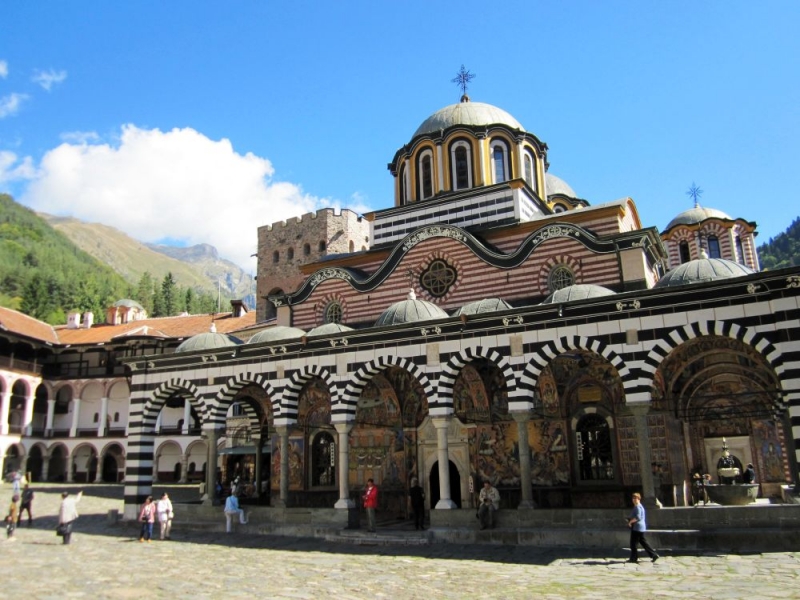
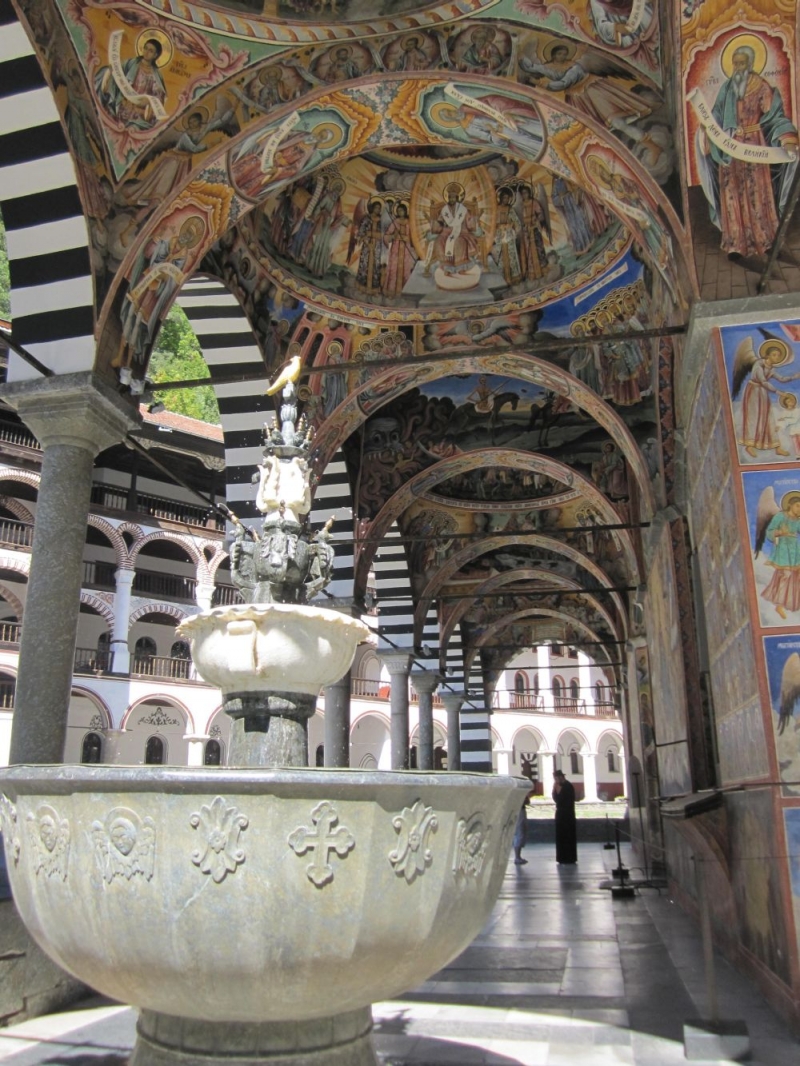
Built in the beginning of the 19th century the main church of the monastery- Blessed Virgin is distinguished for its 1200 murals, gold -gilded iconostasis and the miraculous icon of Virgin Hodegetria. The legend reads that the icon was property of the Byzantium emperor Manuil I Comnin and nowadays the image of the Virgin is surrounded by the relics of 32 saints.
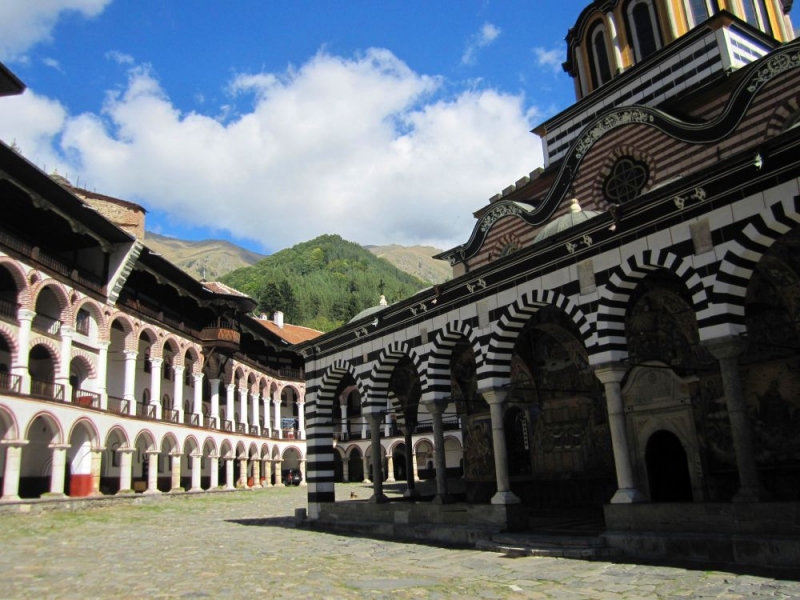
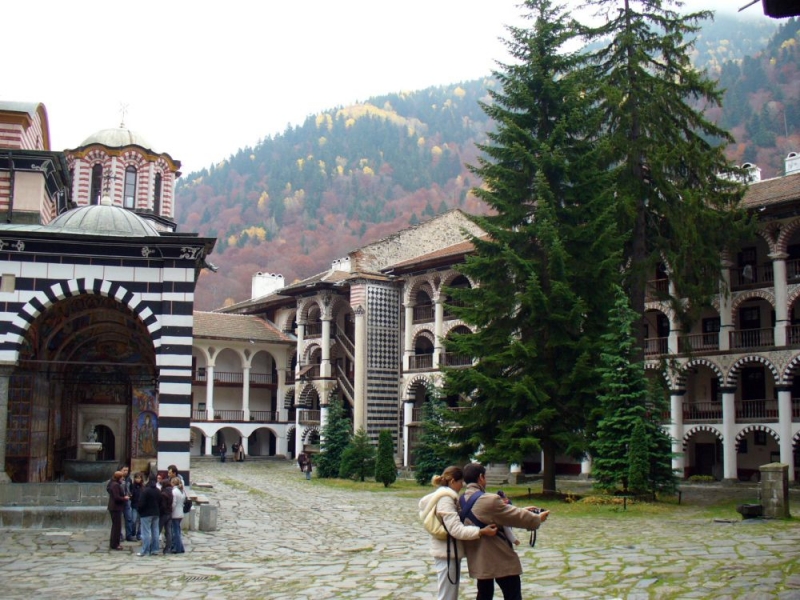
The Rila Monastery is one of the largest Eastern Orthodox monasteries, regarded as one of Bulgaria’s most important historical architectural monuments with a remarkable interior displaying painted murals and woodcarvings.
 The Royal residence in Balchik was constructed between 1926 and 1937, during the Romanian rule of the region to serve as a summer residence to Queen Mariе of Romania.