//
//
Plovdiv

Plovdiv


« Previous
Next »

Considered a contemporary of Troy, Plovdiv is a further example of how Bulgaria acted as a melting pot on the Balkan peninsular.  

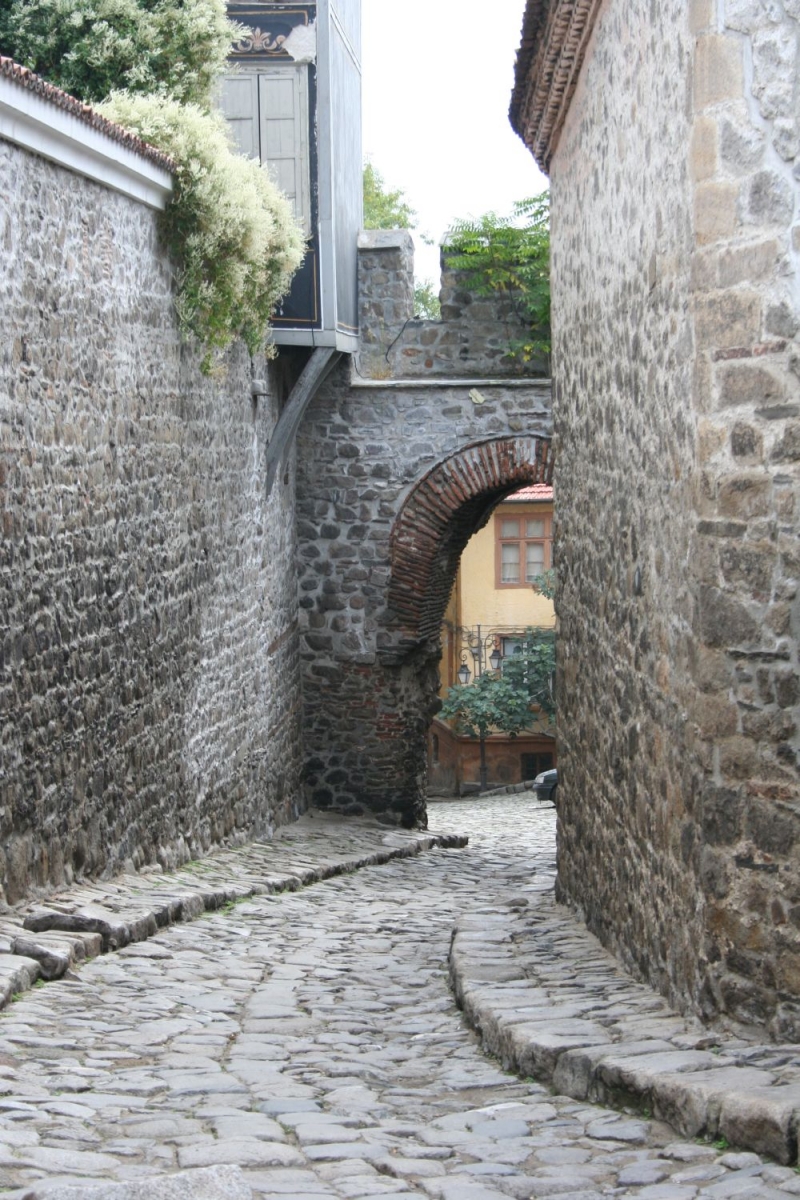
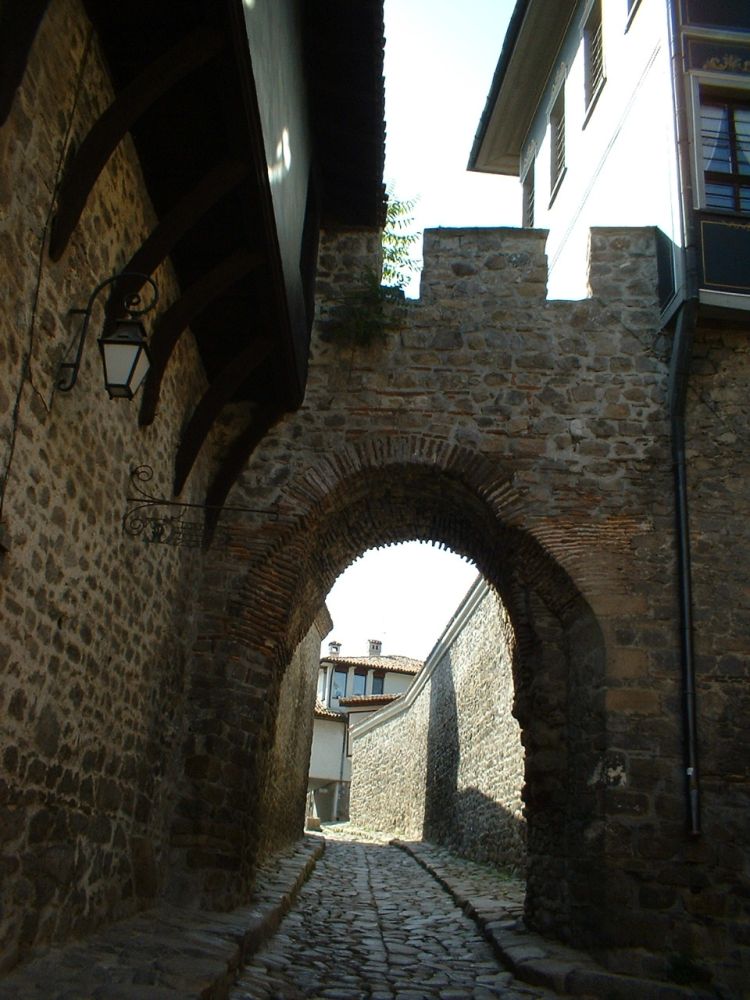
The remains of bygone epochs and diverse cultures contribute to the enchantment and remarkable appearance of the town romantically situated on seven hills. The old town of Plovdiv, in particular, is announced an architectural reserve.

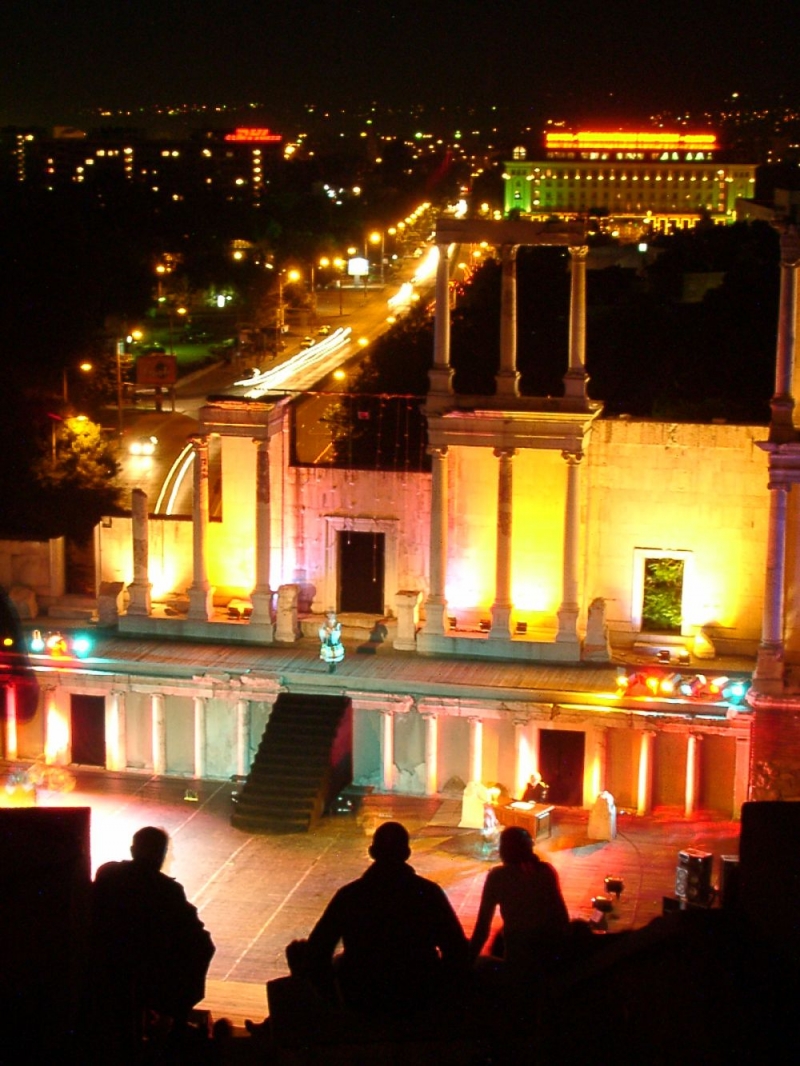
The landmark representing genuine interest to all visitors is the remains of the Antique Theater, built by the mighty Emperor Trayan during the II century AD. Nowadays, a large number of people are easily attracted to the events and show performances held at the ancient site.

Another trademark of the reserve town are the Bulgarian Revival Houses with the typical symmetrical architectural style – fascinating combination of western and oriental influence perched on the meandering cobbled streets. Most of the houses function as galleries and museums welcoming each and every traveler to dive in the inviting ambience of Plovdiv.


Balchik - Botanical garden & summer residence

The Royal residence in Balchik was constructed between 1926 and 1937, during the Romanian rule of the region to serve as a summer residence to Queen Mariе of Romania.


Etara

The first open-air Ethnographic Museum in Bulgaria offers a glimpse into the characteristic atmosphere from the end of 18th and beginning of 19th century.


Kazanlak Tomb

The Thracian Tomb near Kazanlak is a brilliant example of pictorial art and the best preserved Hellenistic funerary art in Bulgaria.


Koprivshtica

The museum town of Koprivshtitsa is declared historic and architectural reserve. Cradle of culture, education and literature Koprivshtitsa was the birthplace of a great number of leaders of the Bulgarian National Revival.


Madara Horseman

Carved into the vertical rock at the height of 23 m, Madara Horseman is the only rock relief from the early Middle Ages, and for its unique nature it is enlisted in the UNESCO World Heritage List. 


Nessebar

Nessebar, one of the oldest settlements on the Balkans, is situated on a rocky Black Sea peninsula. The town was first mentioned by Herodotus in his chronicles describing the march of the Persian King Darius against the Scythians in 513 BC.


Plovdiv

Considered a contemporary of Troy, Plovdiv is a further example of how Bulgaria acted as a melting pot on the Balkan peninsular.


Rila Monastery

The monastery dates back to the 10th century. As the founder of the holly cloister is assigned the Bulgarian saint Ivan Rilski, from where its name derives. His relics are kept in solemn seclusion in the Rila Monastery.


Sozopol

Prevously named after the Greek god Apollo, Sozopol is one of the oldest European settlements, founded almost 3000 years ago.


Varna

The old name of the city of Varna was Odessos , which literally means town on water. The lively, modern Varna was first mentioned in chronicles as a settlement during the  8 century.


Veliko Tarnovo & Tsarevec Hill

Veliko Tarnovo is situated at the foot of the Balkan Range Mountain, proudly staged on four hills. The town is known for being the capital of the country during the Second Bulgarian Kingdom (12 century).