//
//
Koprivshtica
Koprivshtica
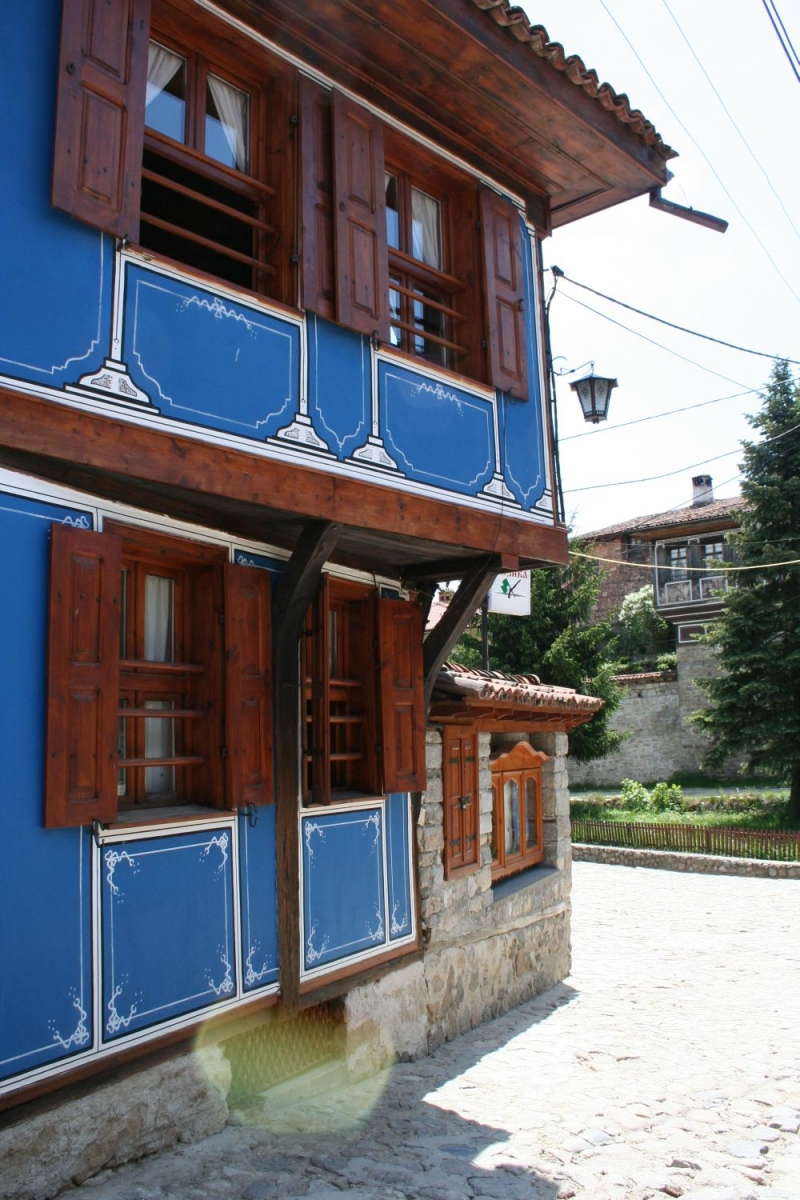
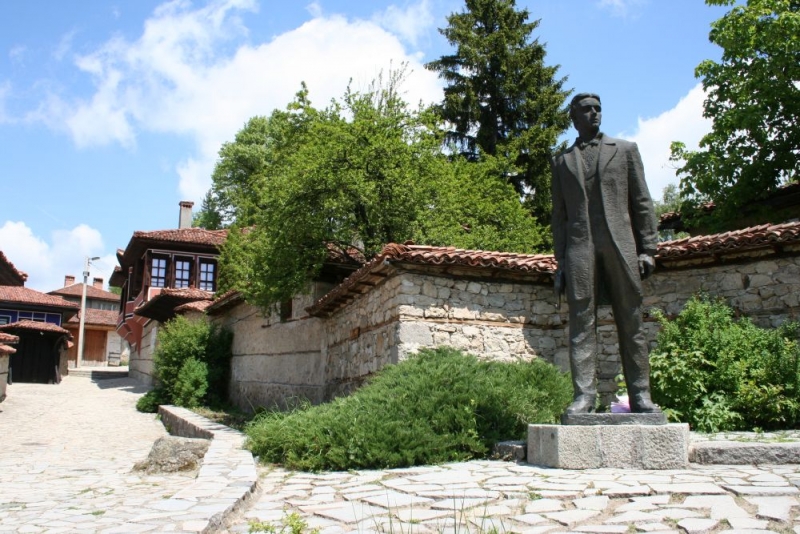
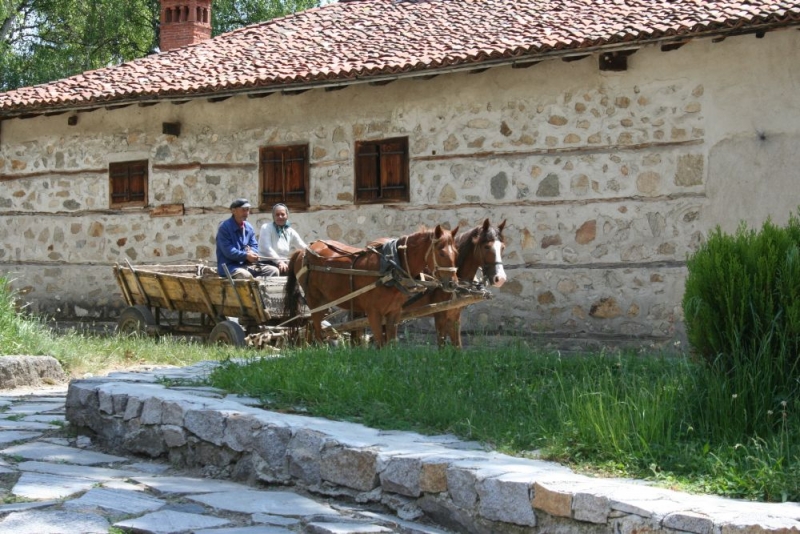
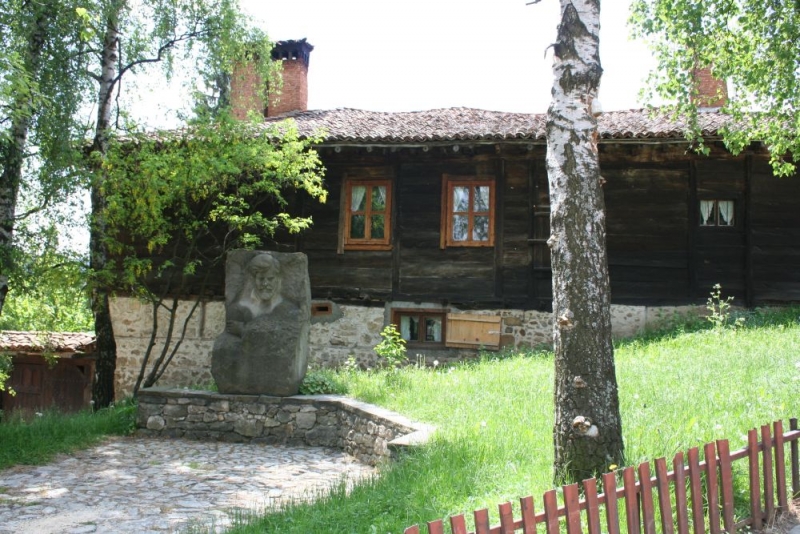
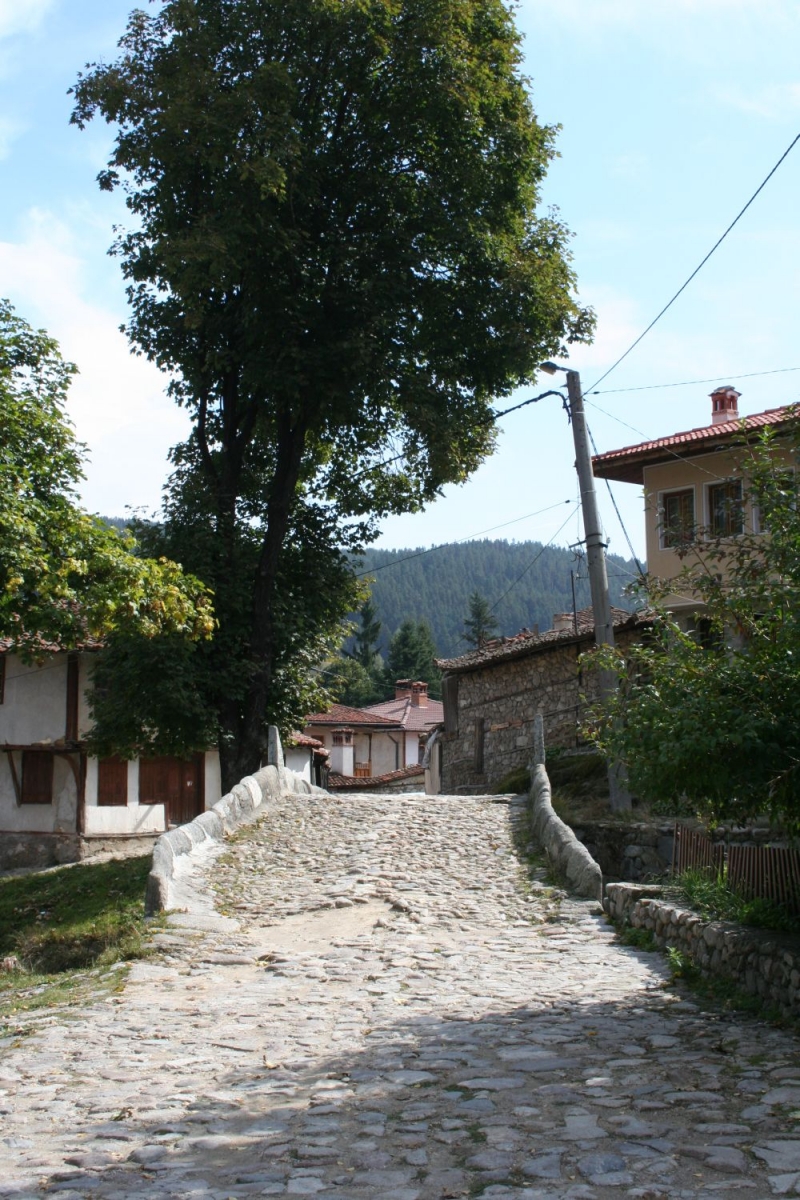
The museum town of Koprivshtitsa is declared historic and architectural reserve. Cradle of culture, education and literature Koprivshtitsa was the birthplace of a great number of leaders of the Bulgarian National Revival.
According to an old legend the first inhabitants of the area were boyars (wealthy citizens) from the then conquered capital of Bulgaria - Veliko Tarnovo, who were too proud to put up with the Ottoman invaders. On their quest for an outlying sanctuary they have ended up in Koprivshtitsa.
From then on the city was always noted for the restless, bright people who have incessantly rebelled against the Ottoman rule. With the movements of liberation reaching their culmination in 1876, the famous April Uprising arose in Koprivshtitsa.
Every year retrieval of the Uprising takes place. Participants and spectators join their efforts to re-create one of the most memorable dates in the Bulgarian history.
 The Royal residence in Balchik was constructed between 1926 and 1937, during the Romanian rule of the region to serve as a summer residence to Queen Mariе of Romania.