//
//
Etara
Etara
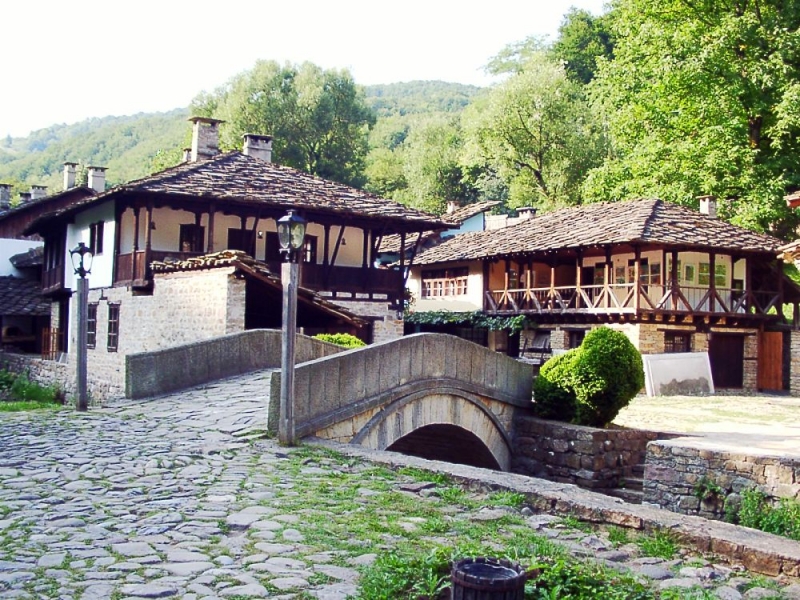
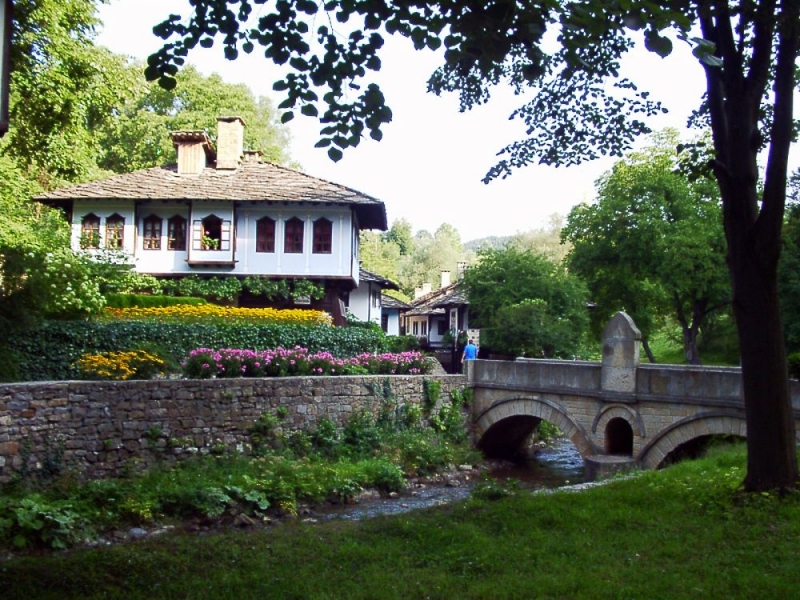
The first open-air Ethnographic Museum in Bulgaria offers a glimpse into the characteristic atmosphere from the end of 18th and beginning of 19th century. It is a display of the architecture, ethnography, folklore, handicrafts, interior decoration and design and the traditional costumes of the Bulgarian Renaissance period.
The inviting lively ambience of the site evokes your curiosity as you walk through the main cobbled craft street, intently observing the ancient technologies and the process of production of variety of goods typical for Gabrovo region.
Even the architectural style of the revival houses seems to be adopted to suit the growing popularity of craftsmanship. Most of the houses face the street so that masters could have direct contact with their clients. Of course, the friendly chit chat with the masters is always a must.
Your tour is usually accompanied by the smell of freshly baked bread and the murmur of the exhibited original mill-stream water-driven machinery.
 The Royal residence in Balchik was constructed between 1926 and 1937, during the Romanian rule of the region to serve as a summer residence to Queen Mariе of Romania.